After Death: Death and Taxes, inspired by Benjamin Franklin
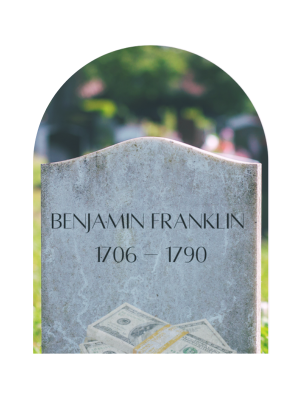
Benjamin Franklin famously said, “In this world, nothing is certain except death and taxes” in a letter to Jean-Baptiste Le Roy in 1789. The quote was originally intended to refer to the newly ratified Constitution, but it is also relevant to explain the nexus between post-death trust and estate administration and the US taxation system.
The phrase “death and taxes” is often used to mean something is inevitable or bound to occur. Indeed, after death, it’s almost inevitable that your successors will need to file further tax returns for you and your assets. In fact, two separate tax returns may need to be filed: one for the decedent’s income earned up to the date of death and another for the income earned by the decedent’s trust, if applicable. These tax filings involve unique tax rules that not all Certified Public Accountants (CPAs) may be familiar with, particularly when it comes to the specialized area of trust or probate estate tax returns. Here’s an overview of the key obligations and considerations.
- Filing the Decedent’s Final Income Tax Return
The first step in handling post-death tax obligations is filing the final individual income tax return (Form 1040) for the deceased. This return covers the income earned from the beginning of the tax year up until the date of death.
- Deadline: The final return is typically due by April 15 of the year following the decedent’s death, although an extension can be requested.
- Income Reporting: All income received by the decedent before death, such as wages, retirement distributions, dividends, and interest, should be reported. Income earned after the date of death is not included in this final return.
- Deductions and Credits: The final return allows for the usual deductions and credits, just as if the decedent were alive, including medical expenses incurred before death.
- Filing Status: The decedent’s marital status at the time of death determines the filing status (e.g., single, married filing jointly), which can affect the tax rate and available deductions.
If the decedent had a spouse, a joint return can be filed, which may include the spouse’s income up to the end of the year. If no joint return is filed, the decedent’s income must be reported separately.
- Tax Identification Number for the Trust: Obtaining a New EIN
When a trust is involved in the administration of a decedent’s estate, the trust must obtain a new Employer Identification Number (EIN) to report its own income. This new EIN is distinct from the decedent’s Social Security Number and represents the trust as a separate taxable entity.
The new EIN is used for filing tax returns related to the income the trust earns after the decedent’s death. This income can come from various sources, such as investment income, rental properties, or business interests. Similarly, if the decedent’s assets will be handled through a court-ordered probate process, then a new EIN will also be needed for the probate estate to file taxes.
- Filing the Trust Income Tax Return (Form 1041)
The trust becomes responsible for paying taxes on income earned after the date of death, which is reported on Form 1041, the U.S. Income Tax Return for Estates and Trusts. Unlike the decedent’s final return, this return covers the income earned by the trust after death.
- Reporting Period: The trust may elect to use a fiscal year, starting on the date of death, or stick with a calendar year for reporting purposes.
- Income to Report: All income generated by assets held in the trust, such as interest, dividends, rental income, and capital gains, must be reported. The type of income earned and how it is distributed to beneficiaries can affect the trust’s taxable income.
- Deductions: The trust can take certain deductions, including expenses related to administration, legal fees, and trustee fees, which may reduce the taxable income.
- Distributions to Beneficiaries: When the trust distributes income to beneficiaries, that income is generally deductible by the trust and reportable by the beneficiaries on their individual tax returns. The trust uses a K-1 form to notify beneficiaries of the income they must report.
- Challenges in Filing Post-Death Tax Returns
Not all CPAs are equally experienced with the intricacies of post-death tax filings, particularly when it comes to Form 1041 for trust income. Trust tax laws are distinct from individual income tax regulations and can be complex, involving rules about income distribution, expenses, and carryover losses.
- Understanding the Nuances: A CPA handling post-death returns should be well-versed in determining what qualifies as trust income, allowable deductions, and the appropriate allocation of tax liabilities between the trust and beneficiaries.
- Keeping Track of Deadlines: Trusts may have different tax filing deadlines depending on whether a calendar year or fiscal year is used, making it essential for the tax professional to understand these timing nuances.
- Avoiding Mistakes: Mistakes in post-death tax filings can lead to penalties, interest, or missed tax-saving opportunities. A CPA unfamiliar with these issues might overlook critical deductions or fail to correctly allocate income, which can create unnecessary tax burdens for the trust or beneficiaries.
- Choosing the Right CPA for Trust Tax Returns
Given the unique aspects of trust taxation, it is advisable for trustees or estate administrators to seek out a CPA who has specific experience in estate and trust taxation. A qualified CPA can help:
- Identify and claim all allowable deductions for both the decedent’s final return and the trust’s tax return.
- Navigate income distribution rules to maximize tax efficiency for the trust and beneficiaries.
- Ensure proper filing and reporting to minimize the risk of audits or penalties.
Working with a tax professional who understands the distinct tax obligations that arise after death ensures that the estate is managed properly, beneficiaries are informed, and tax liabilities are minimized. As Widlast Legal, we routinely work with Clients and CPAs handling trust and estate administrations. We are here to help guide you through the complexities so that you are able to navigate the process smoothly and optimize the tax outcomes for the estate and its beneficiaries.
