After Death: The Emotional Side of Being an Executor: What to Expect
No one is ever fully prepared for what it feels like stepping into the role of executor. On paper, it may look like a checklist: gather documents, pay bills, notify institutions, distribute assets. In reality, it can be overwhelming, it often feels like walking through a loved one’s life, piece by piece, while carrying the weight of grief at the same time.
Being an executor isn’t just about paperwork. It’s about carrying someone’s story forward. And that weight can feel heavier when you’re grieving. You may find yourself caught between wanting to honor every memory and needing to get through a long list of responsibilities. Some days the grief is louder than the tasks. Other days, the tasks help keep grief at bay.
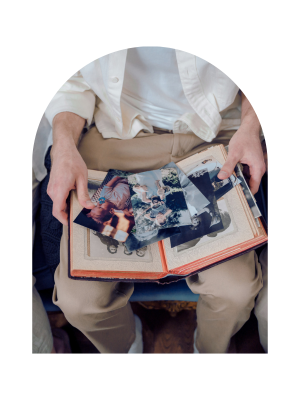
Opening a closet can bring back memories of family gatherings. Sorting through files may lead to finding old letters or photographs. Even simple tasks—like writing a check from an estate account—can stir emotions you didn’t expect. The responsibilities of being an executor are practical, yes, but they are also deeply personal.
It’s important to remember you don’t have to do it perfectly, and you don’t have to do it alone. It’s also normal to feel conflicted, exhausted and to even wonder if you’re doing it “right.”
Through it all, there are gentle ways to care for yourself during this journey:
- Let yourself feel. Don’t rush through the emotions just to “get things done.” Grief will come in waves. Let it. Tears in the middle of sorting paperwork are a sign of love, not weakness.
- Lean on others. Professional advisors can guide you through the legal steps, and trusted friends or family can help with everyday tasks.
- Take your time. While there are deadlines for certain filings, most responsibilities don’t need to be rushed. It’s okay to pause, step outside, and breathe. Grief doesn’t run on a timeline, and neither should you.
- Look after yourself. Eat, rest, and find small ways to care for your own well-being, even in the midst of everything else.
- Trust the process. Each decision, no matter how small, is part of fulfilling the promise your loved one entrusted to you.
Being an executor is both a responsibility and an act of love. It means you were trusted to carry out wishes that mattered deeply. And while the legal duties will come to an end, the connection to your loved one remains—in the memories you uncover, the stories you share, and the quiet ways you honor their life.
At Widlast Legal, we know how overwhelming this role can feel. Our purpose is to ease the weight of the legal details, so you can focus on what matters most: honoring your loved one’s legacy while also caring for your own heart.
