After Death: Exploring Alternatives to Traditional Burial and Cremation
In recent years, the landscape of end-of-life arrangements has expanded beyond traditional burial and cremation. As individuals and families seek more personalized, environmentally friendly, and cost-effective options, alternative methods are gaining popularity. At Widlast Legal, we understand the importance of aligning end-of-life choices with personal values and legal considerations. In this article, we explore some innovative alternatives to standard burial and cremation, offering insights into their benefits, legal implications and planning considerations.
- Cremation Keepsakes
Having your body cremated and then the ashes put into a keepsake offers flexibility and creativity, with various options such as:
- Memorial Jewelry: Your ashes can be incorporated into rings, pendants, bracelets, and other pieces of jewelry, allowing loved ones to keep you close to their hearts.
- Glass Art: Infusing ashes into glass sculptures or beads creates beautiful, lasting keepsakes.
- Vinyl Records: For music lovers, ashes can be pressed into a vinyl record that plays a selection of meaningful songs or a recorded message.
- Green Burial
Green Burial, also known as natural burial, focuses on minimal environmental impact. This method typically involves burying the body in a biodegradable shroud or casket without embalming fluids, allowing for natural decomposition. Green burial sites, often located in designated natural preserves, avoid the use of concrete vaults and traditional grave markers, promoting ecosystem restoration and conservation.
Legal Considerations:
- Green burials must comply with state and local regulations regarding burial practices and land use.
- It is essential to choose a certified green burial site to ensure adherence to environmental standards.
Benefits:
- Environmentally friendly, reducing carbon footprint and pollution.
- Often more cost-effective than traditional burial.
- Provides a natural, serene resting place.
- Memorial Trees
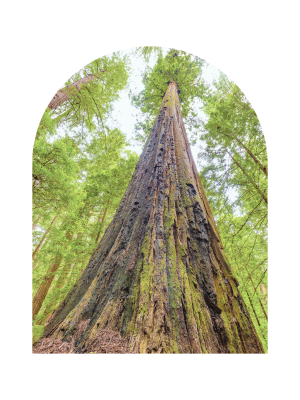
Memorial trees, also called a living tribute, remembrance tree, or sympathy tree, have a few different meanings. Sometimes, it can refer to a tree planted in someone’s honor or memory in a place of significance to them or their family.
A memorial tree can also refer to a tree in a memorial forest that serves as a resting place for cremated ashes of you or your loved one. In such case, the process involves integrating one’s ashes with the soil at the base of a selected tree, symbolizing a union with the earth in its purest form.
Legal Considerations:
- Spreading of ashes around a tree may only be done only in a memorial forest, which is a protected piece of land designed for spreading ashes.
- Proper authorization and documentation are required, similar to those for traditional cremation.
Benefits:
- You can select the particular memorial forest location (from mountains to ocean views) and also often the tree species too, aligning your choice with your values.
- Provides a sacred space for loved ones to gather, reminisce, and celebrate your life.
- You can include spreading rights for your loved ones or pets to join you when their time comes, if you wish.
- Reduces carbon emissions and energy consumption.
- Water Cremation
Water Cremation, also known as aquamation or alkaline hydrolysis, is an eco-friendly alternative to traditional cremation. This process uses water, alkali and heat to accelerate the natural decomposition of the body, resulting in a smaller carbon footprint and reduced energy use compared to flame-based cremation.
Legal Considerations:
- The legality of water cremation varies by state and has been legal in California since 2020; it’s crucial to verify local regulations.
- Proper authorization and documentation are required, similar to those for traditional cremation.
Benefits:
- Significantly reduces carbon emissions and energy consumption.
- Produces a sterile liquid byproduct, which can be safely returned to the environment.
- The remaining bone fragments can be processed into ash-like remains for memorialization.
- Human Composting
Human Composting, also known as recomposition or terramation, involves converting human remains into soil through a controlled, accelerated decomposition process. The body is placed in a specially designed vessel with organic materials like wood chips and straw, where it naturally transforms into nutrient-rich soil over several weeks.
Legal Considerations:
- Recomposition is currently legal in a few states including Washington, Colorado, Nevada and New York, with regulations expected to evolve as the practice gains acceptance. It took California lawmakers three tries to pass a law to do the same, but it won’t take effect until 2027.
- Families should ensure that recomposition facilities meet environmental and safety standards.
Benefits:
- Offers a sustainable, eco-friendly alternative to traditional burial and cremation.
- The resulting soil can be used for planting or returned to the earth, contributing to land restoration.
- Provides a unique and meaningful way to honor loved ones.
- Memorial Reefs
Memorial reefs, also known as reef balls, involve incorporating cremated remains into artificial reef structures, which are then placed in the ocean to support marine life and habitat restoration. This option combines environmental stewardship with a lasting memorial.
Legal Considerations:
- While not currently permitted in California coastal waters, there is a San Diego based company that places the reef balls off the Los Coronado Islands which are in Mexican waters about 10 miles off the coast of San Diego.
- Families should work with reputable organizations that specialize in memorial reefs.
Benefits:
- Contributes to marine conservation and ecosystem restoration.
- Provides a unique and meaningful memorial option, in that the artificial reef structure may be embellished with shells and may include a plaque for dedication.
- Offers a serene and enduring tribute.
- More Unusual Options
- Space Burial – For the adventurous spirit, space burials offer the chance to send a portion of your ashes into space. Companies like Celestis provide memorial spaceflights, sending ashes into orbit, to the Moon, or even into deep space.
- Fireworks – Some companies offer the option of incorporating ashes into fireworks. This allows your loved ones to hold a celebration of life event where your remains are sent off with a bang, creating a visually stunning and memorable tribute.
- Cryonics – For those interested in futuristic possibilities, cryonics involves preserving the body at extremely low temperatures with the hope that future medical advancements may one day allow for revival and treatment.
As the diversity of end-of-life options continues to grow, it is crucial to consider personal values, environmental impact, and legal requirements when making these important decisions. At Widlast Legal, we are here to guide you through the complexities of estate planning, ensuring that your wishes are honored, and your legacy is preserved. Whether you are exploring traditional or alternative arrangements, we are committed to providing the expert advice and compassionate support you need.
For more information on estate planning and end-of-life options, please contact Widlast Legal today.
